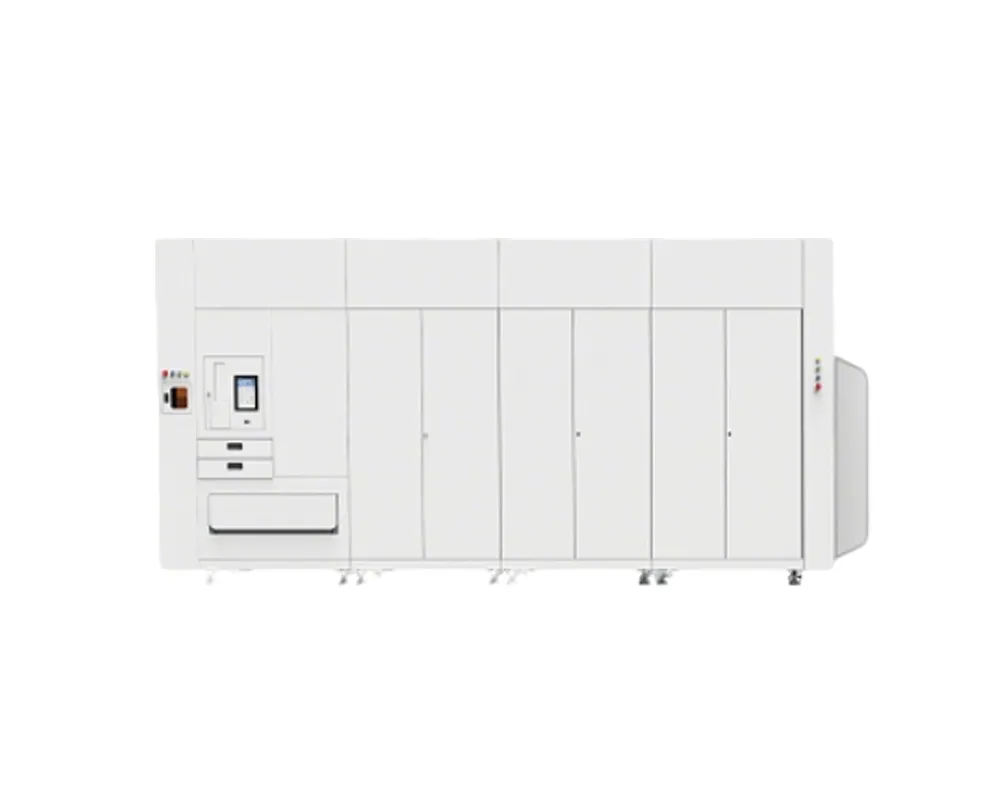
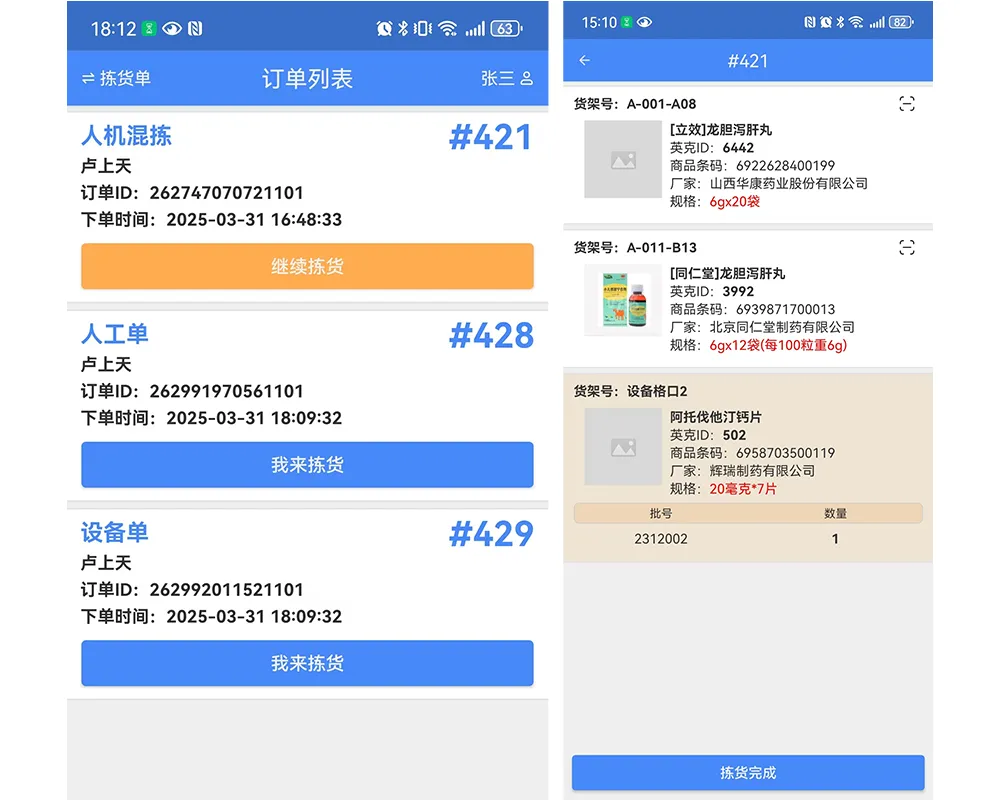
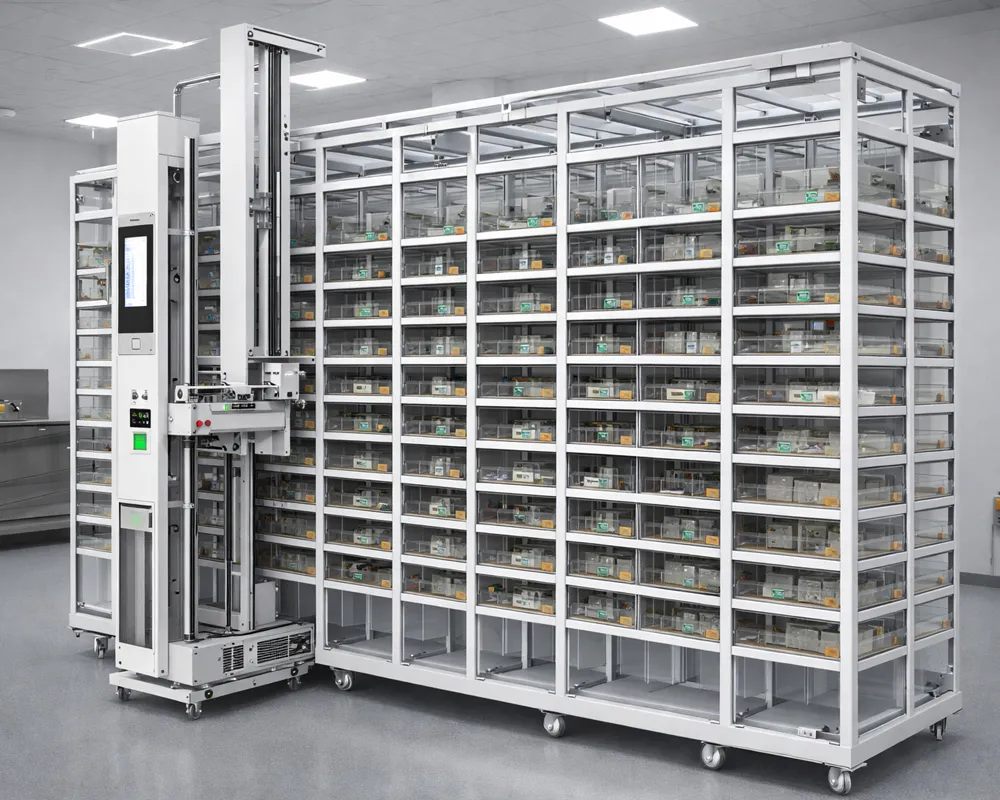
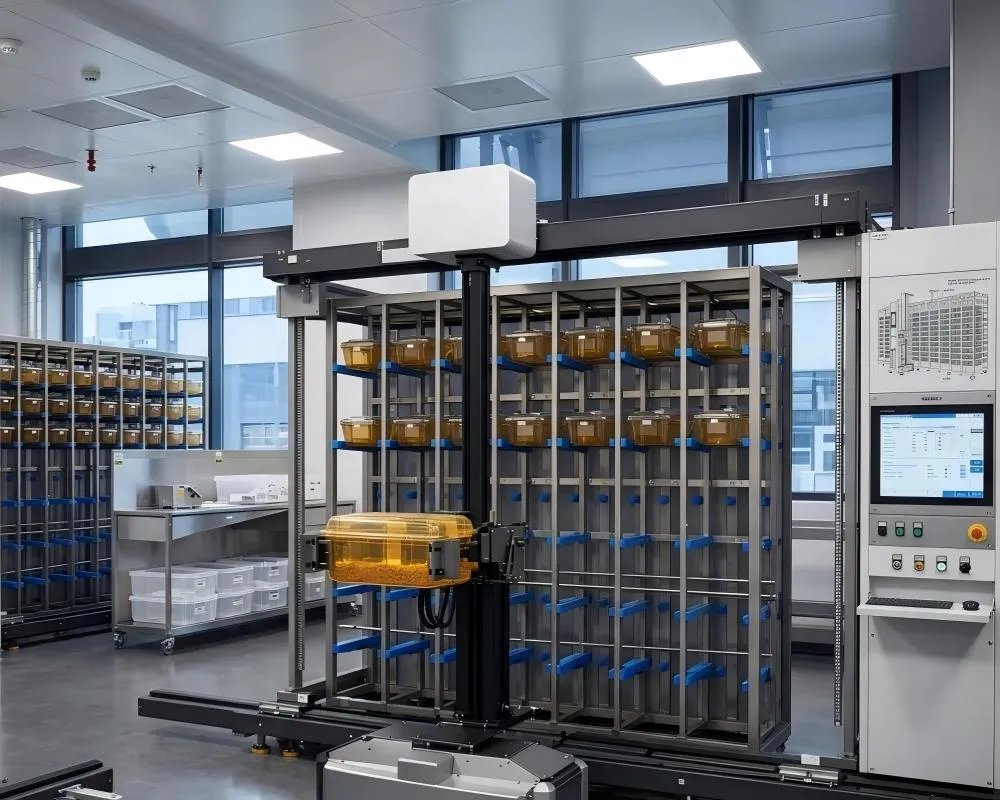
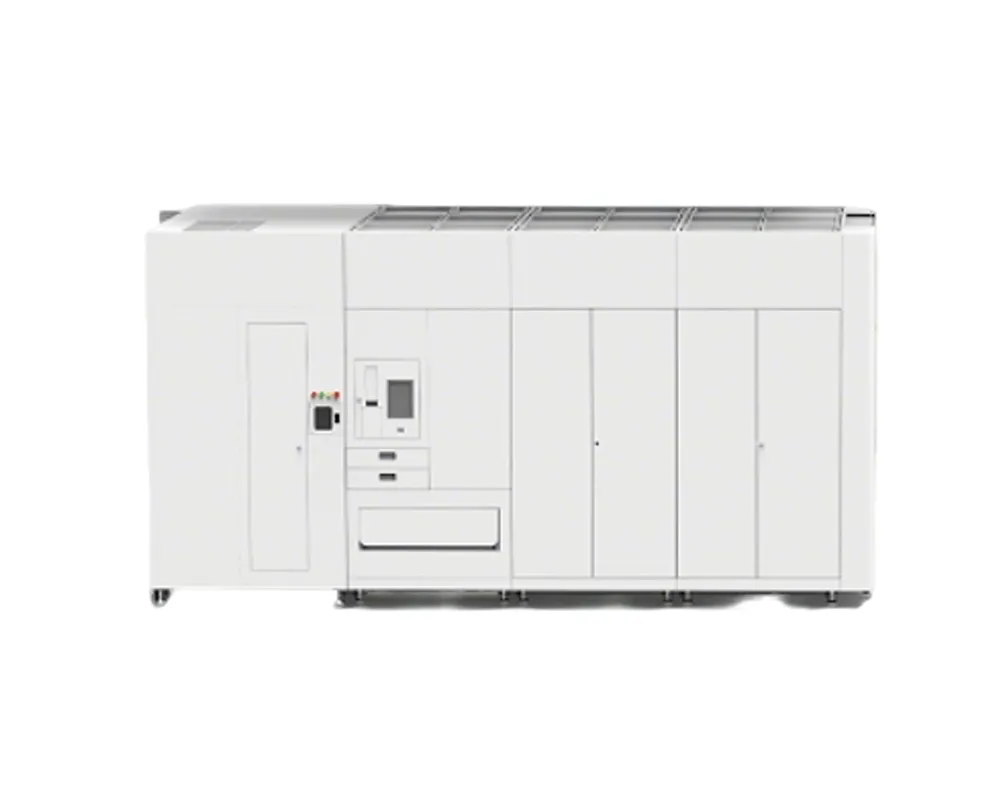
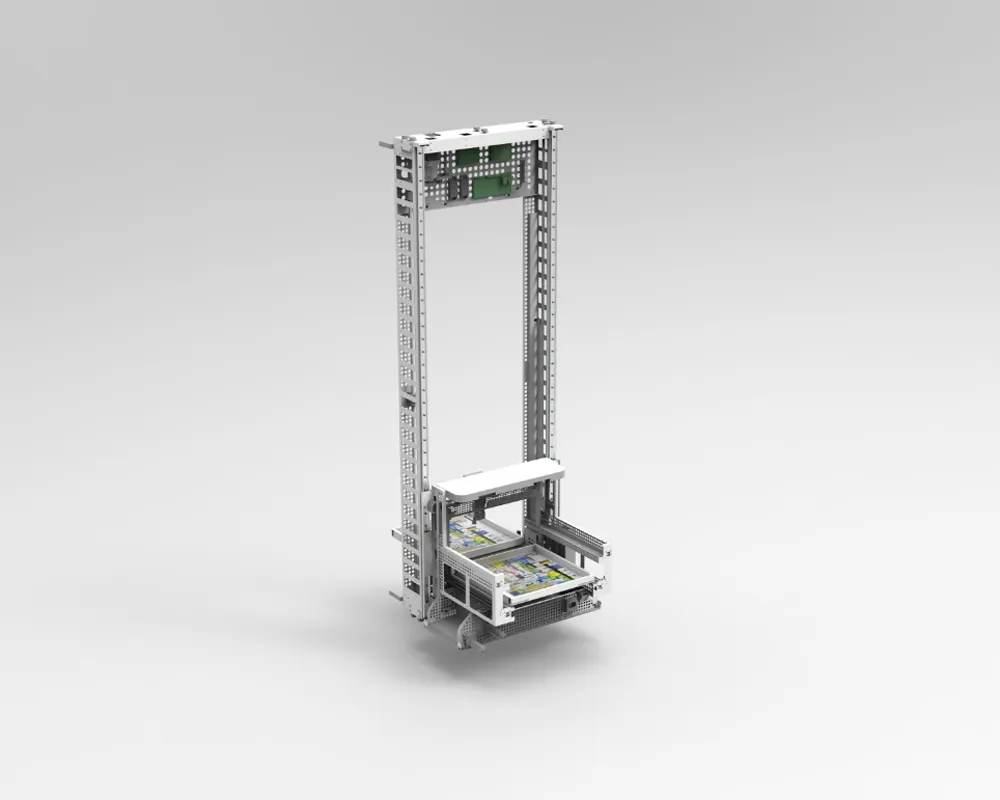
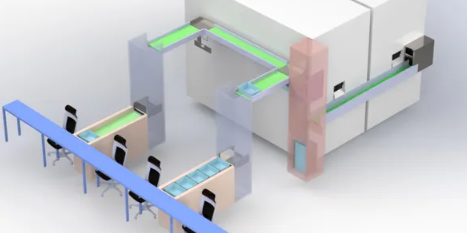
An automated dispensing cabinet (ADC) in pharmacy is a secure, computerized storage system used in hospitals and healthcare facilities to store and control access to medications at or near the point of care. It is designed to replace traditional manual medication storage methods, such as locked carts, shelves, or centralized dispensing only from the main pharmacy, by bringing controlled medication access closer to nurses and clinicians while maintaining strict oversight from pharmacy systems. Unlike a regular storage cabinet, an ADC is integrated with hospital information systems and pharmacy management software. This allows every medication transaction to be tracked, verified, and recorded automatically, reducing reliance on handwritten logs or manual stock checks.
In simple terms, an ADC is a smart medication cabinet that knows who is accessing it, what medication is being removed, and how much inventory is remaining, all in real time.
Automated Dispensing Cabinet Definition
In pharmacy operations, the term "Automated Dispensing Cabinet" does not refer only to a physical cabinet. It represents a controlled medication distribution node within a hospital’s broader medication management system. Each ADC acts as a localized extension of the central pharmacy. Instead of requiring every medication request to go through the main pharmacy department, ADCs allow authorized healthcare professionals to access commonly used medications directly at the ward level.
However, this access is not open or freeform. It is governed by strict digital controls that ensure only approved medications can be accessed by authorized users under defined clinical conditions.
What Makes an ADC Automated?
Automated in automated dispensing cabinet refers to the system’s ability to digitally manage medication access and inventory without manual intervention.
An ADC typically includes:
A computerized interface for user login and medication selection
Electronically controlled drawers or compartments
Integration with pharmacy or hospital information systems
Automated logging of all medication transactions
Real-time inventory tracking capabilities
When a clinician logs into the system, the ADC verifies their identity, checks their access permissions, and then allows controlled retrieval of specific medications. It automates control, tracking, and verification of medication storage and distribution.
Where ADCs are Used in Hospitals?
The location of ADCs is intentional. They are designed to reduce delays in medication administration while still maintaining pharmacy-level control and accountability. Automated dispensing cabinets are typically placed in high-demand clinical areas where quick access to medications is essential, including:
How ADCs Differ from Traditional Pharmacy Storage?
To understand what an ADC is, it is helpful to contrast it with traditional medication storage systems.
In a traditional hospital setup, medications are:
Stored in a central pharmacy
Dispensed manually by pharmacy staff
Delivered to wards in scheduled batches
Recorded through manual or semi-digital logs
This process introduces delays, dependency on pharmacy operating hours, and a higher risk of communication errors.
An ADC changes this structure by decentralizing access while maintaining centralized control. Instead of moving medication from pharmacy to ward multiple times a day, ADCs allow controlled access directly where the medication is needed, while still syncing all activity back to the pharmacy system.
Core Concept
The most accurate way to understand an ADC in pharmacy is through the concept of controlled decentralization. Decentralization means medications are available at the point of care. Control means every access is regulated, tracked, and audited by pharmacy systems. This balance is what makes ADCs fundamentally different from simple storage cabinets or unsecured ward stock systems. They are governed access points in a hospital-wide medication network.
Why ADCs Matter in Pharmacy Practice?
In modern hospital pharmacy operations, ADCs are primarily used to support three critical goals:
1. Medication Control
ADCs ensure that only authorized personnel can access specific medications, especially high-risk or controlled substances. This reduces misuse and improves accountability.
2. Medication Visibility
Every transaction is recorded digitally. Pharmacists and administrators can see:
Who accessed a medication
When it was accessed
What quantity was removed
Remaining inventory levels
This creates a transparent medication flow across the hospital.
3. Workflow Efficiency
ADCs reduce dependency on central pharmacy dispensing for routine medications, allowing faster administration at the bedside and reducing delays in patient care.
ADCs as Part of a Larger System
An automated medication dispensing cabinet does not operate in isolation. It is usually connected to a broader hospital pharmacy ecosystem, which may include Hospital Information Systems (HIS), Electronic Medical Records (EMR), Central pharmacy dispensing systems and Inventory management platforms. Within this ecosystem, ADCs serve as the last mile of medication delivery, bridging pharmacy control with clinical execution.
The Role of Automated Dispensing System Companies
In real-world hospital deployments, ADCs are part of integrated pharmacy automation infrastructure. Companies like Snowisdom develop and support these types of systems as part of broader hospital pharmacy automation solutions, including:
Automated dispensing cabinets (ADCs)
Smart medication storage systems
Pharmacy inventory management platforms
Integrated medication distribution systems
The focus is not just on hardware, but on how ADCs integrate with hospital workflows to ensure medication safety, traceability, and operational efficiency across the entire pharmacy network. In this context, ADCs become part of a connected digital medication infrastructure rather than isolated storage devices.
An automated dispensing cabinet (ADC) in pharmacy is best understood not as a machine, but as a controlled access system for hospital medications. It combines secure storage, user authentication, and real-time digital tracking to ensure that medications are used safely, efficiently, and transparently at the point of care. By bridging the gap between central pharmacy control and bedside medication administration, ADCs play a critical role in modern hospital pharmacy operations.
As hospitals continue to adopt more advanced automation systems, ADCs remain one of the foundational technologies supporting safer and more efficient medication management, especially within integrated solutions developed by providers such as Snowisdom.
 English
 中文
中文