Healthcare systems around the world are facing growing pressure to improve patient safety, reduce operational costs, and manage increasing prescription volumes. Traditional pharmacy workflows often rely on labor-intensive processes that can lead to inefficiencies, medication errors, and inventory challenges. As a result, hospital pharmacy automation has become a major focus for healthcare providers seeking to modernize medication management and improve pharmacy performance.
Pharmacy Automation
Pharmacy automation refers to the use of technology, software, robotics, and automated equipment to streamline pharmacy operations and reduce manual intervention in medication management processes. The goal of pharmacy automation is to improve efficiency, accuracy, safety, and inventory control throughout the medication distribution cycle.
Modern pharmacy automation solutions can support a wide range of tasks, including:
In hospitals, these technologies help pharmacy teams manage growing workloads while maintaining high standards of patient care.
Why Hospitals are Investing in Pharmacy Automation?
Healthcare organizations are increasingly adopting pharmacy automation systems due to several industry challenges.
Rising Prescription Volumes
As populations age and chronic disease rates increase, hospitals are handling larger numbers of prescriptions than ever before. Manual dispensing processes often struggle to keep pace with demand. Automation helps pharmacies process medication orders faster while maintaining accuracy.
Medication Safety Requirements
Medication errors can lead to adverse patient outcomes, increased healthcare costs, and regulatory concerns. Automated pharmacy systems reduce the likelihood of human error by standardizing workflows, improving traceability, and supporting barcode verification processes.
Staffing Shortages
Many healthcare facilities face shortages of qualified pharmacists and pharmacy technicians. Automation enables existing staff to focus on clinical responsibilities rather than repetitive operational tasks.
Operational Efficiency
Hospital administrators are under constant pressure to optimize resources and improve productivity. Automated systems can significantly reduce the time spent on dispensing, inventory counting, and documentation.
Common Pharmacy Automation Technologies
Pharmacy automation is not a single technology. Instead, it consists of multiple integrated solutions that work together to improve medication management.
Automated Medication Dispensing Systems
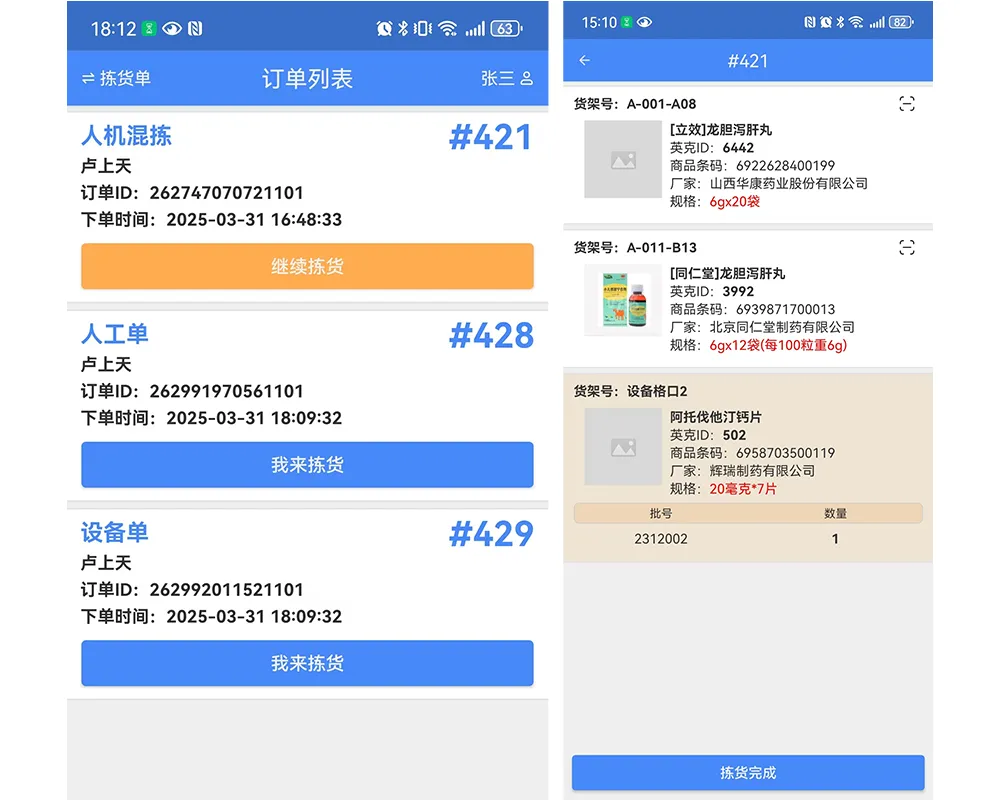
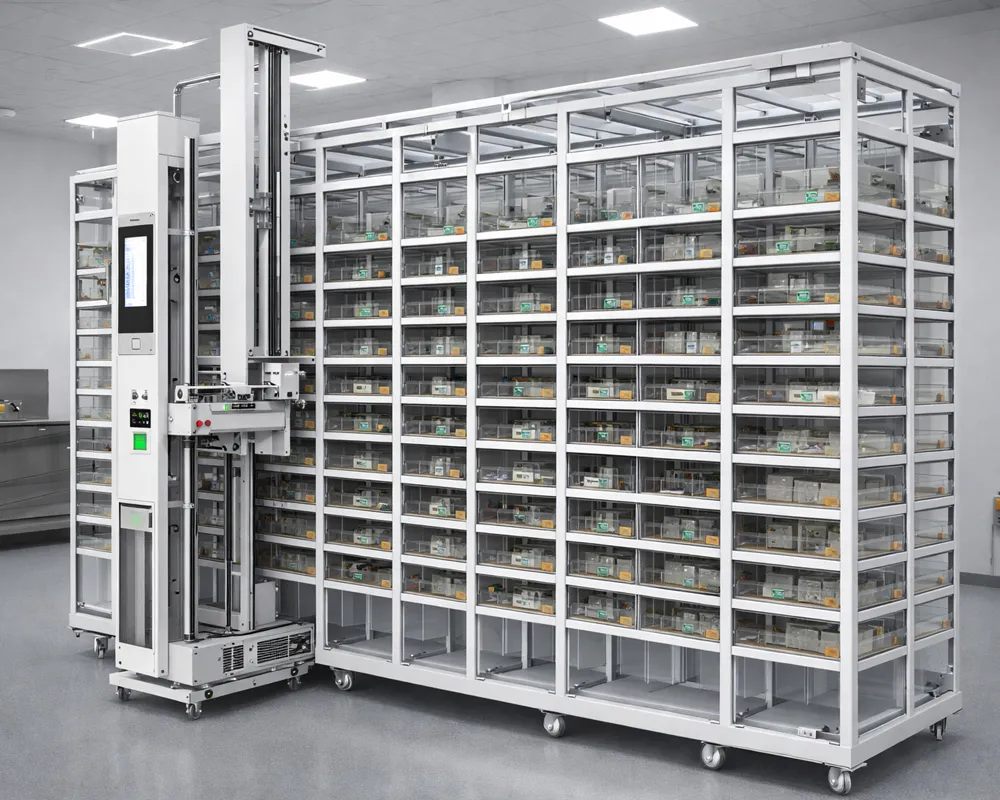
Automated medication dispensing systems securely store and dispense medications while maintaining accurate records of every transaction. These systems help improve medication availability and reduce dispensing errors in hospital environments.
Automated Dispensing Cabinets
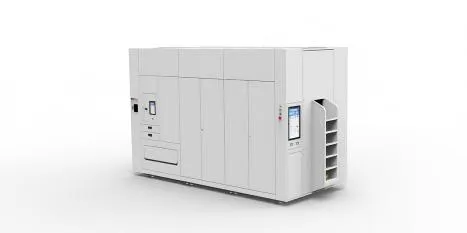
Automated dispensing cabinets are commonly installed in nursing stations and patient care units. They provide controlled access to medications, helping healthcare staff obtain medications quickly while maintaining security and accountability.
Pharmacy Robots
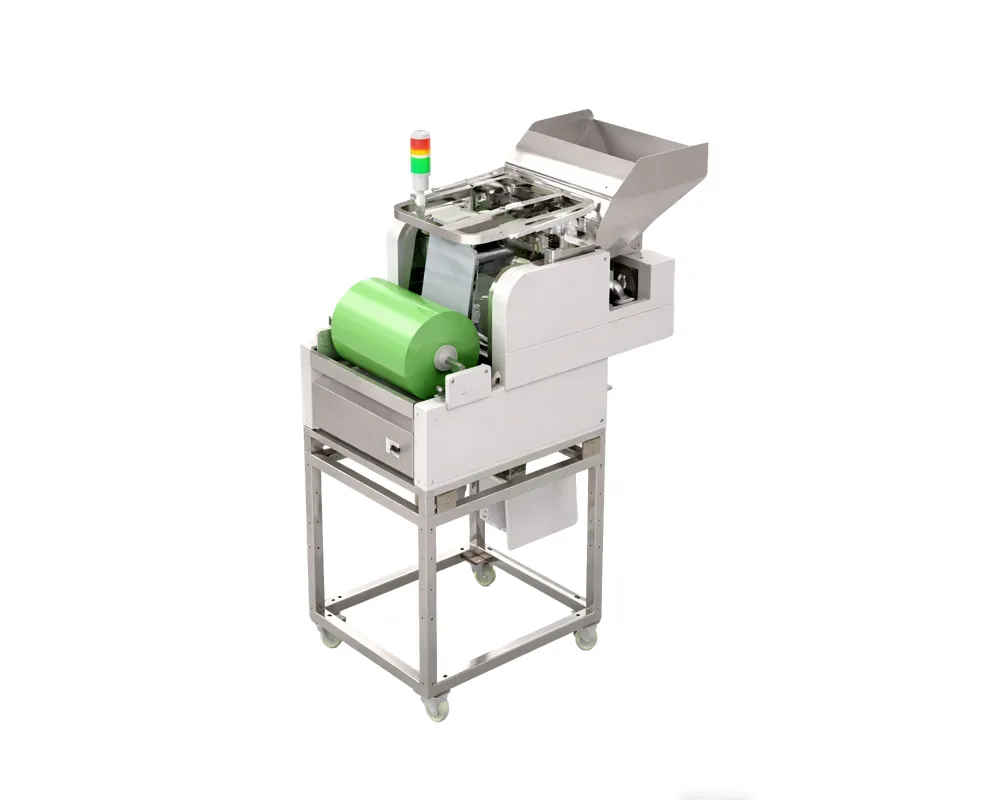
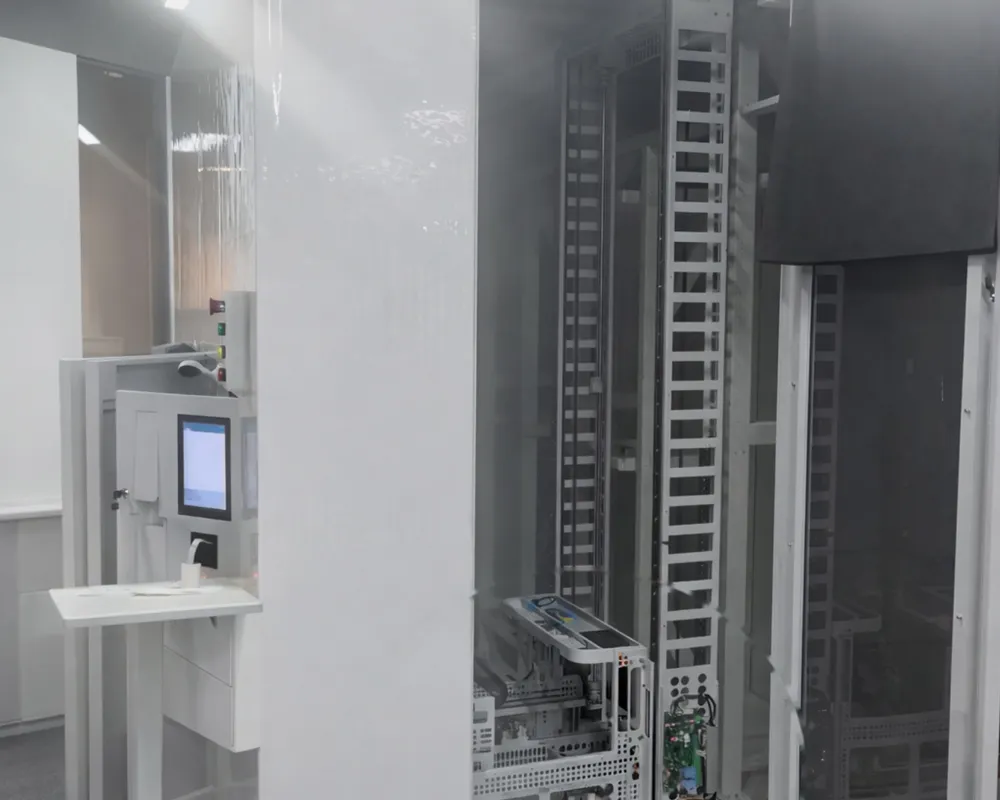
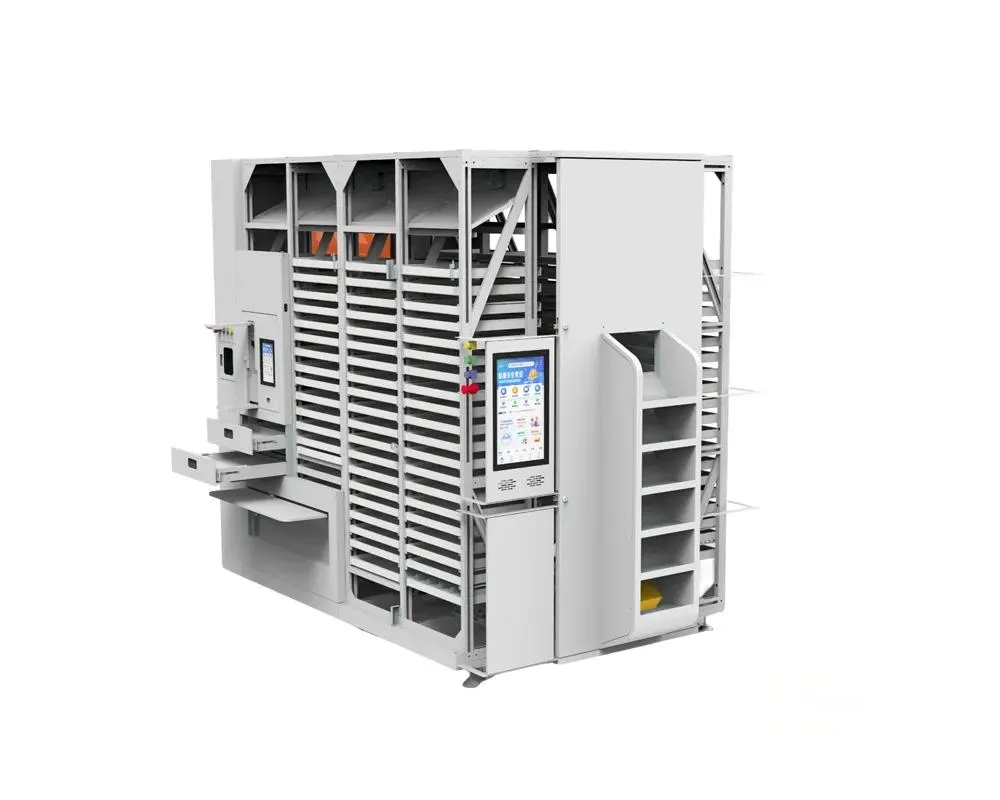
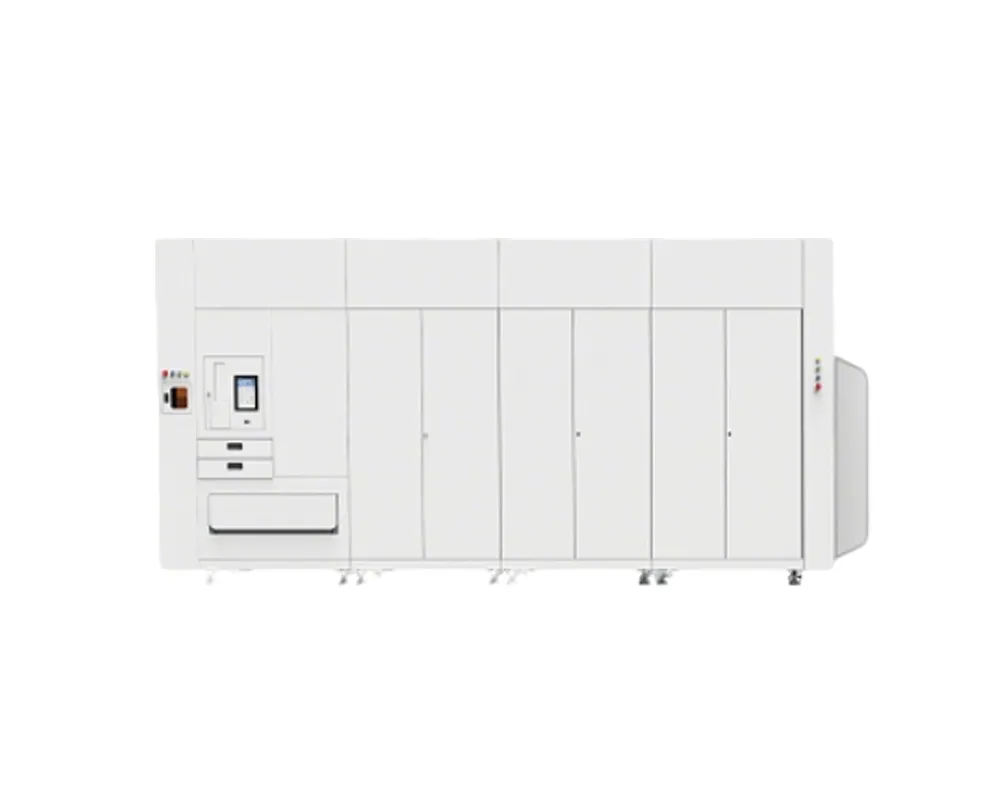
Robotic dispensing systems automate medication picking, packaging, sorting, and storage processes. Pharmacy robots are particularly valuable in high-volume hospital pharmacies where efficiency and accuracy are critical.
Pharmacy Inventory Management Software
Inventory management platforms monitor medication stock levels, expiration dates, and replenishment requirements in real time. This improves inventory visibility and helps reduce waste caused by expired or overstocked medications.
Smart Pharmacy Platforms
Modern smart pharmacy systems integrate hardware, software, and data analytics into a unified ecosystem. These platforms provide end-to-end visibility across medication workflows and support data-driven decision-making.
Key Benefits of Pharmacy Automation
Improved Medication Safety
One of the most significant advantages of pharmacy automation is its ability to reduce medication errors. Automated workflows minimize risks associated with manual drug selection, dosage preparation, and inventory management. Electronic tracking and verification processes further enhance patient safety by ensuring medications are dispensed accurately.
Increased Efficiency
Automation allows pharmacy staff to process prescriptions more quickly and consistently. Tasks that once required significant manual effort can now be completed with minimal intervention, reducing bottlenecks and improving workflow efficiency.
Better Inventory Control
Managing pharmaceutical inventory manually can be challenging, particularly in large hospitals. Automated inventory management systems provide real-time visibility into medication stock levels, helping facilities avoid shortages while reducing unnecessary inventory costs.
Enhanced Compliance and Traceability
Healthcare regulations require accurate documentation and accountability for medication handling. Automated pharmacy systems create detailed audit trails that simplify compliance reporting and improve transparency.
Cost Savings
While automation requires an initial investment, many hospitals experience long-term savings through improved productivity, reduced waste, and fewer medication-related incidents.
Challenges of Implementing Pharmacy Automation
Although the benefits are substantial, healthcare organizations should carefully consider several implementation challenges.
Initial Capital Investment
Advanced automation equipment and software platforms require upfront investment. Hospitals should evaluate both short-term costs and long-term return on investment when selecting automation solutions.
System Integration
Automation technologies must often integrate with existing hospital information systems, electronic medical records, and pharmacy management software. Successful implementation requires careful planning and technical expertise.
Staff Training
Introducing automation changes traditional workflows. Pharmacists, technicians, and nursing staff must receive adequate training to maximize system performance and user adoption.
Change Management
Resistance to change can slow implementation efforts. Healthcare organizations should involve stakeholders early in the process and clearly communicate the benefits of automation.
The Future of Hospital Pharmacy Automation
The next generation of pharmacy automation will be driven by advances in artificial intelligence, robotics, machine vision, and data analytics. Several trends are expected to shape the future of hospital pharmacy operations:
AI-Powered Decision Support
Artificial intelligence can help pharmacies forecast inventory needs, identify workflow bottlenecks, and improve medication utilization.
Advanced Robotics
Pharmacy robots will become increasingly capable of handling complex dispensing, sorting, and fulfillment tasks with minimal human intervention.
Connected Smart Pharmacies
Integrated systems will connect dispensing equipment, inventory management platforms, and hospital information systems into a seamless digital ecosystem.
Predictive Inventory Management
Real-time analytics and machine learning will help healthcare providers optimize stock levels and reduce pharmaceutical waste.
How Snowisdom Supports Pharmacy Automation?
As hospitals continue their digital transformation journey, selecting the right automation partner becomes increasingly important.
Snowisdom provides intelligent pharmacy automation solutions designed to improve medication safety, operational efficiency, and inventory management. Its portfolio includes automated dispensing systems, smart medication cabinets, robotic dispensing technologies, and integrated pharmacy management solutions. By combining automation equipment with intelligent software platforms, Snowisdom helps healthcare organizations build smarter, safer, and more efficient pharmacy environments.
Whether a hospital is beginning its automation journey or expanding existing capabilities, modern pharmacy automation solutions can provide a strong foundation for long-term operational excellence.
Pharmacy automation is transforming how hospitals manage medications, improve patient safety, and optimize pharmacy operations. From automated dispensing systems and smart cabinets to robotic technologies and advanced inventory management platforms, automation offers significant benefits across the entire medication lifecycle.
As healthcare demands continue to grow, hospitals that invest in pharmacy automation will be better positioned to improve efficiency, reduce errors, and deliver higher-quality patient care. The future of hospital pharmacy management is increasingly digital, connected, and automated.
 English
 中文
中文