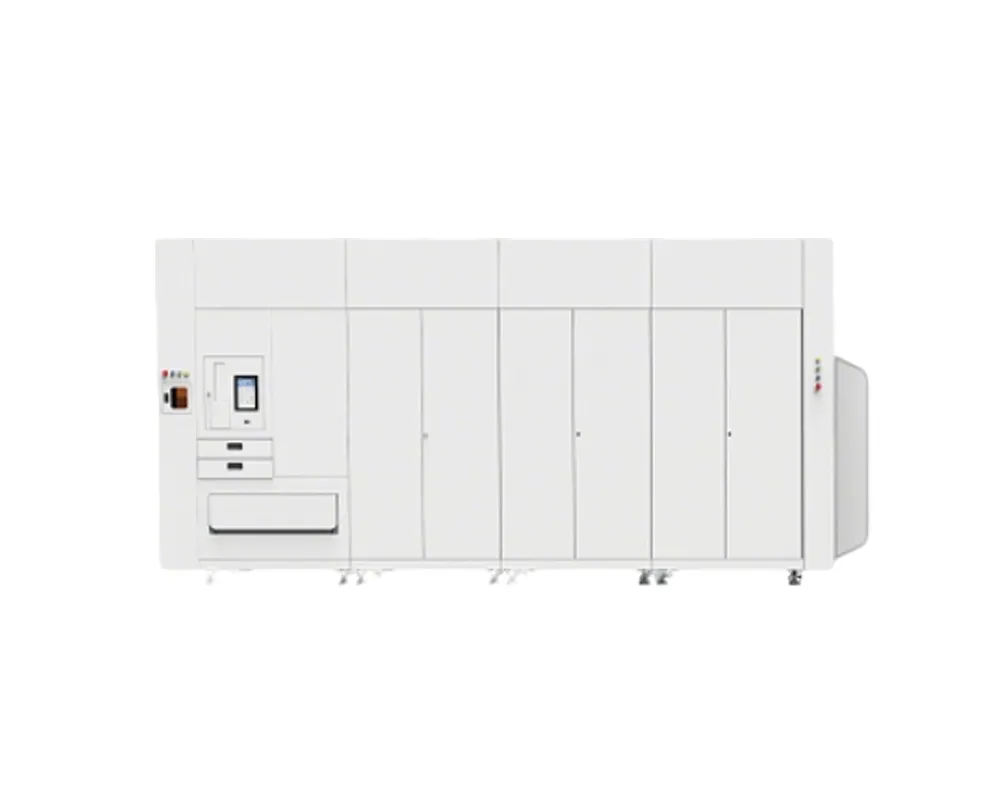
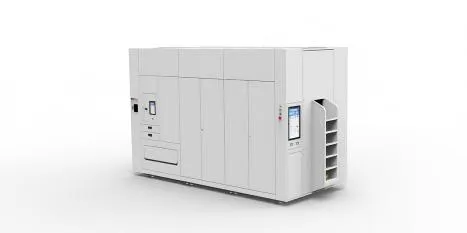
A pharmacy robot is an automated system designed to perform medication handling tasks that were traditionally done manually by pharmacists or pharmacy technicians. These tasks typically include selecting, counting, packaging, labeling, and organizing medications for distribution within hospitals or pharmacies.
In modern healthcare environments, pharmacy robots are becoming an essential part of pharmacy automation because they improve accuracy, reduce workload pressure, and support safer medication handling processes. Unlike traditional pharmacy workflows that rely heavily on human labor, pharmacy robots operate through a combination of robotics, software, and controlled storage systems. They are designed to handle high-volume medication processing with consistency and precision.
Understanding Pharmacy Robot
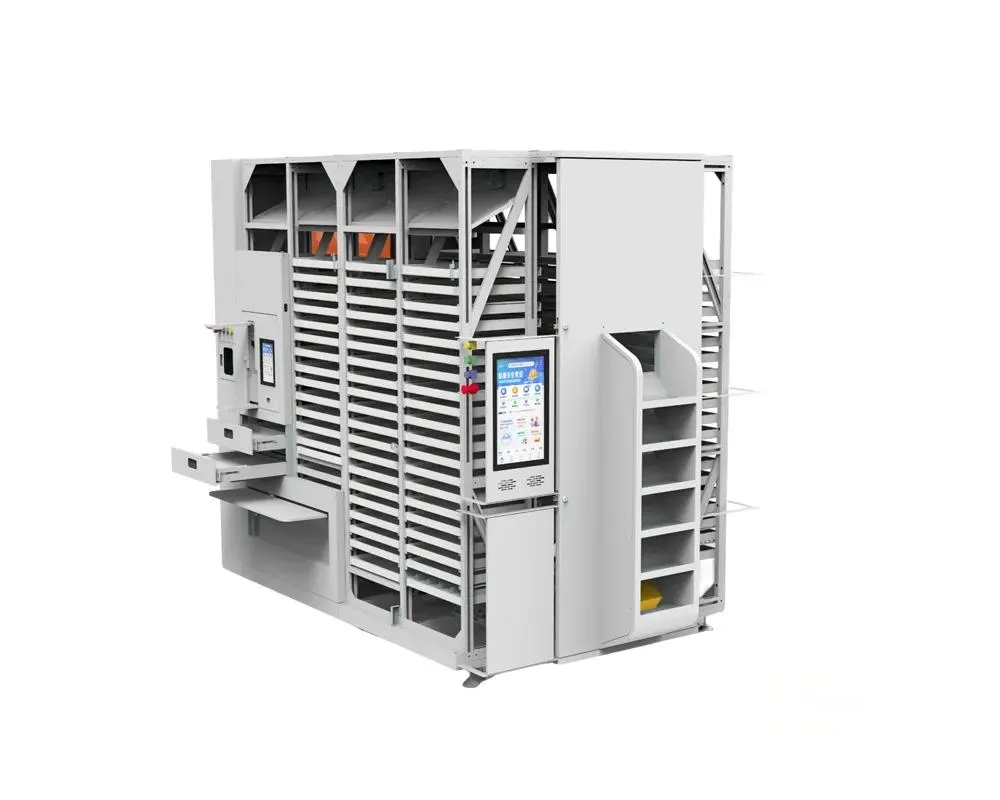
A pharmacy robot is not a single standardized machine. Instead, it refers to a category of automated systems used in pharmacy environments to manage medication dispensing and handling tasks.
Depending on the hospital or pharmacy setup, a pharmacy robot may include:
Robotic arms for medication picking
Automated storage and retrieval systems
Conveyor-based sorting systems
Barcode scanning and verification modules
Integrated software for prescription processing
The key idea behind a pharmacy robot is not just physical automation, but the integration of mechanical systems with digital pharmacy workflows. In most cases, pharmacy robots are installed in centralized hospital pharmacies where large volumes of prescriptions are processed daily.
What Problems Do Pharmacy Robots Solve?
To understand the role of pharmacy robots, it is important to look at the challenges they address in traditional pharmacy operations.
1. Manual Dispensing Errors
Human error in medication selection, counting, or labeling can lead to serious patient safety risks. Even experienced pharmacy staff can make mistakes under time pressure or high workload conditions. Pharmacy robots reduce these risks by standardizing dispensing actions through automated, rule-based processes.
2. Increasing Prescription Volume
Hospitals are handling more prescriptions than ever due to aging populations and increased chronic disease management. Manual workflows often struggle to keep up with demand. Robotic systems allow pharmacies to process higher volumes of medication orders without proportionally increasing staff workload.
3. Time-Consuming Repetitive Tasks
Pharmacy staff often spend significant time on repetitive tasks such as counting tablets, sorting medications, and preparing prescriptions. Pharmacy robots automate these repetitive processes, allowing pharmacists to focus more on clinical decision-making and patient care.
How Pharmacy Robots Work in Real Hospital Settings?
Although different systems vary in design, most pharmacy robots follow a similar operational logic.
Step 1: Prescription Input
Medication orders are sent from hospital systems such as electronic medical records (EMR) or pharmacy management systems into the robotic system.
Step 2: Medication Identification
The robot identifies the correct medication using barcode scanning, RFID tagging, or image recognition systems.
Step 3: Automated Retrieval
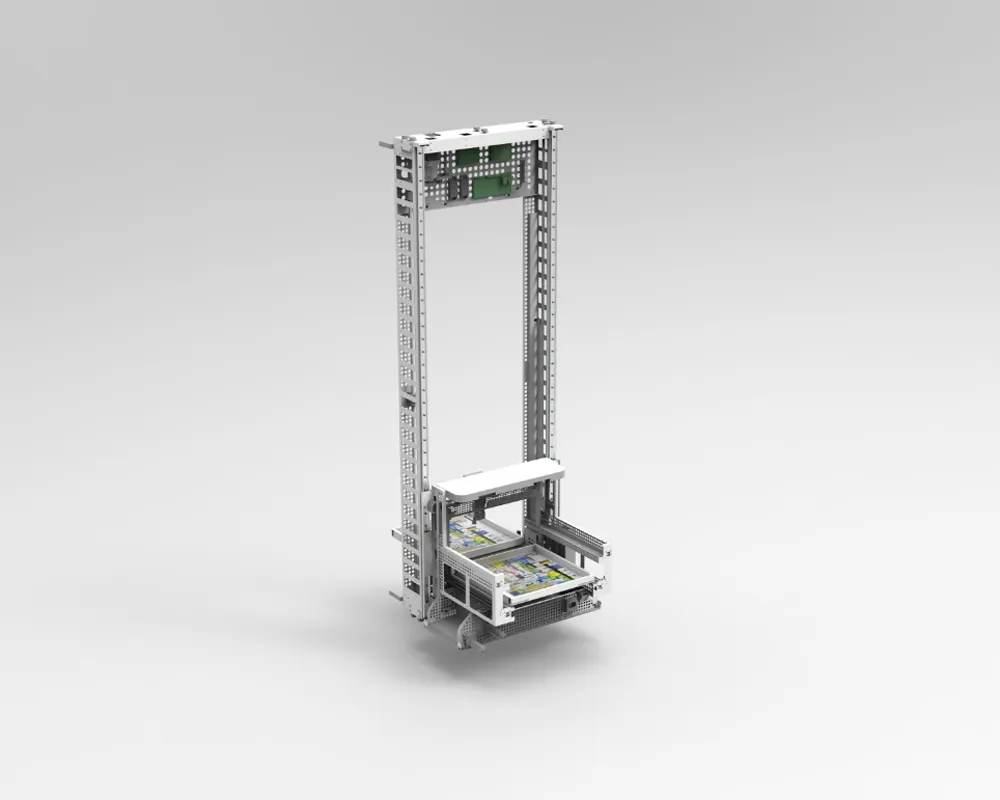
Mechanical components retrieve the correct medication from high-density storage systems. This may involve robotic arms, shuttle systems, or rotating storage units.
Step 4: Counting and Verification
The system accurately counts or measures medication doses, ensuring precision in every prescription.
Step 5: Packaging and Labeling
Once verified, medications are packaged and labeled automatically for distribution to hospital wards or outpatient departments.
Step 6: System Logging
Every action is recorded digitally, creating a full audit trail for compliance and inventory management.
Types of Pharmacy Robots
Pharmacy robotics can be categorized into several types depending on their function and design.
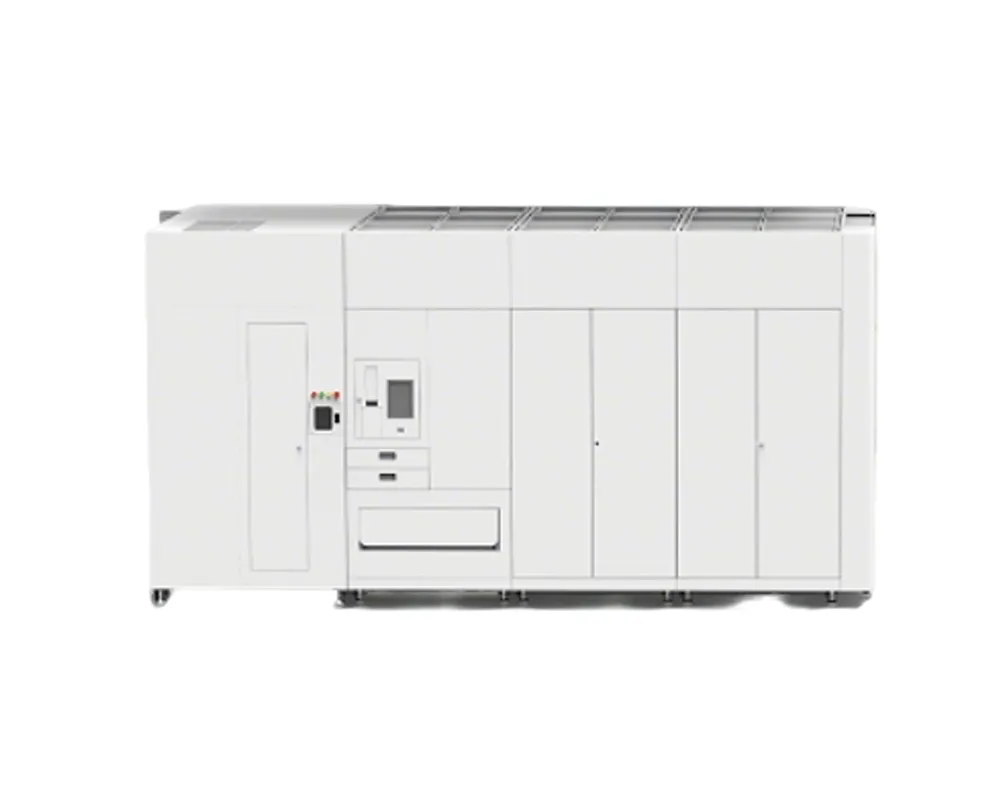
Centralized Dispensing Robots
These systems are typically installed in hospital pharmacies and handle large-scale medication dispensing operations. They are designed for high throughput and integration with hospital systems.
Automated Storage and Retrieval Systems (AS/RS)
These robots focus on storing and retrieving medications efficiently using vertical storage units or compact shelving systems.
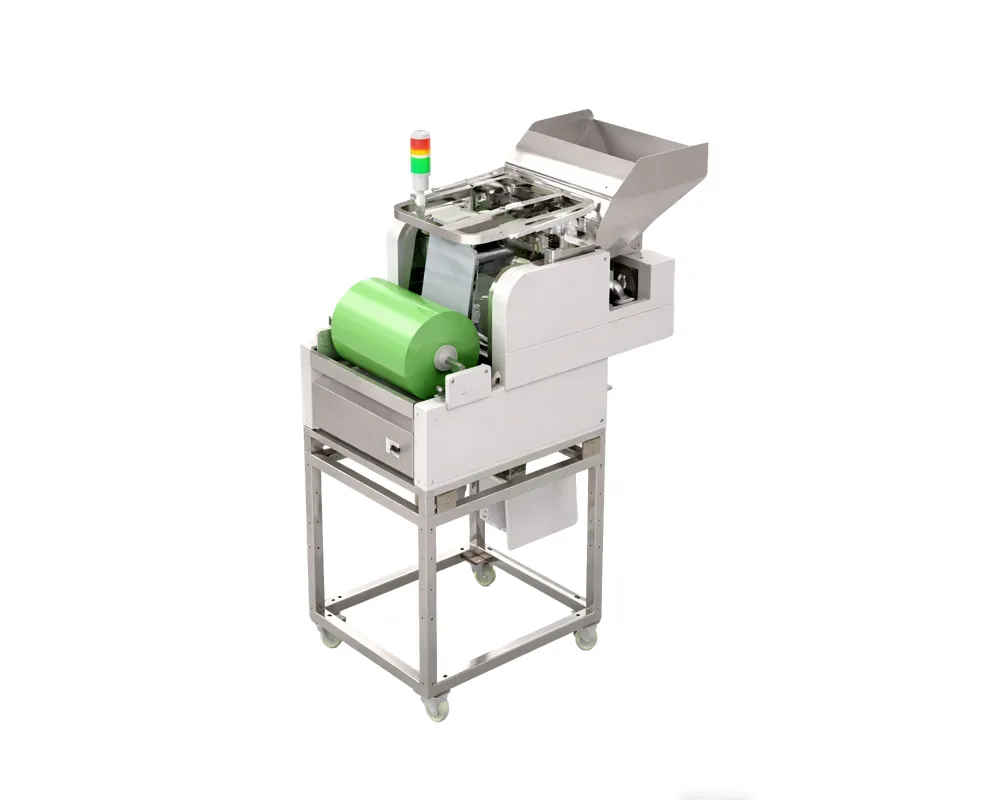
Packaging and Dispensing Robots
These systems are designed specifically for counting, packaging, and labeling medications into patient-specific doses.
Hybrid Pharmacy Automation Systems
Modern systems often combine multiple robotic functions into a single integrated platform, offering end-to-end automation of pharmacy workflows.
Benefits of Pharmacy Robots in Healthcare
Improved Medication Accuracy
One of the most important benefits of pharmacy robots is their ability to improve medication accuracy. Automated systems reduce the risk of wrong dosage, incorrect drug selection, and labeling errors.
Increased Operational Efficiency
Robotic systems significantly increase the speed of medication dispensing. Tasks that previously took hours can often be completed in a fraction of the time. This allows hospitals to handle higher prescription volumes without increasing staffing pressure.
Enhanced Safety and Compliance
Pharmacy robots generate detailed digital records of every medication transaction. This improves regulatory compliance and provides full traceability for audits and inspections.
Better Use of Pharmacist Expertise
By automating repetitive tasks, pharmacy robots allow pharmacists to focus on more valuable clinical roles such as medication therapy management and patient consultation.
Pharmacy Robots vs Traditional Pharmacy Workflows
In traditional pharmacy environments, most tasks are performed manually:
Pharmacists physically locate medications
Technicians count and package doses
Labels are printed and applied manually
Inventory is tracked using periodic manual checks
In contrast, pharmacy robots automate most of these steps:
| Task | Traditional Workflow | Pharmacy Robot Workflow |
| Medication selection | Manual | Automated |
| Counting | Manual | Machine precision |
| Labeling | Manual | Automated |
| Inventory tracking | Periodic | Real-time |
| Error risk | Higher | Lower |
The Role of Pharmacy Robots in Modern Hospital Automation
Pharmacy robots are not standalone solutions. They are part of a larger hospital pharmacy automation ecosystem that may also include automated dispensing cabinets (ADCs), central pharmacy management systems, inventory optimization software and automated medication dispensing systems. Together, these technologies form a connected digital pharmacy environment where medication flow is tightly controlled and fully traceable.
How Snowisdom Fits Into Pharmacy Robotics?
As hospitals move toward full-scale automation, system integration becomes increasingly important.
Snowisdom provides intelligent pharmacy automation solutions that include robotic dispensing systems, automated medication handling equipment, smart storage systems, and integrated pharmacy management platforms. Snowisdom focuses on building connected pharmacy ecosystems where robotics, software, and inventory systems work together seamlessly. This approach helps hospitals reduce medication errors, improve workflow efficiency, and build scalable automation infrastructure that supports long-term healthcare demands.
A pharmacy robot is a key technology in modern hospital pharmacy automation, designed to replace manual medication handling tasks with precise, automated systems. By improving accuracy, increasing efficiency, and enhancing safety, pharmacy robots are transforming how hospitals manage medication workflows.
As healthcare systems continue to evolve, pharmacy robotics will play an increasingly important role in building safer, more efficient, and more intelligent medication management environments, especially when integrated into broader automation platforms.
 English
 中文
中文