Modern hospitals and healthcare facilities face increasing pressure to improve medication safety, reduce dispensing errors, and streamline pharmacy operations. As patient volumes grow and healthcare systems become more complex, many organizations are turning to automated medication dispensing systems to improve efficiency and accuracy.
Automated Medication Dispensing System
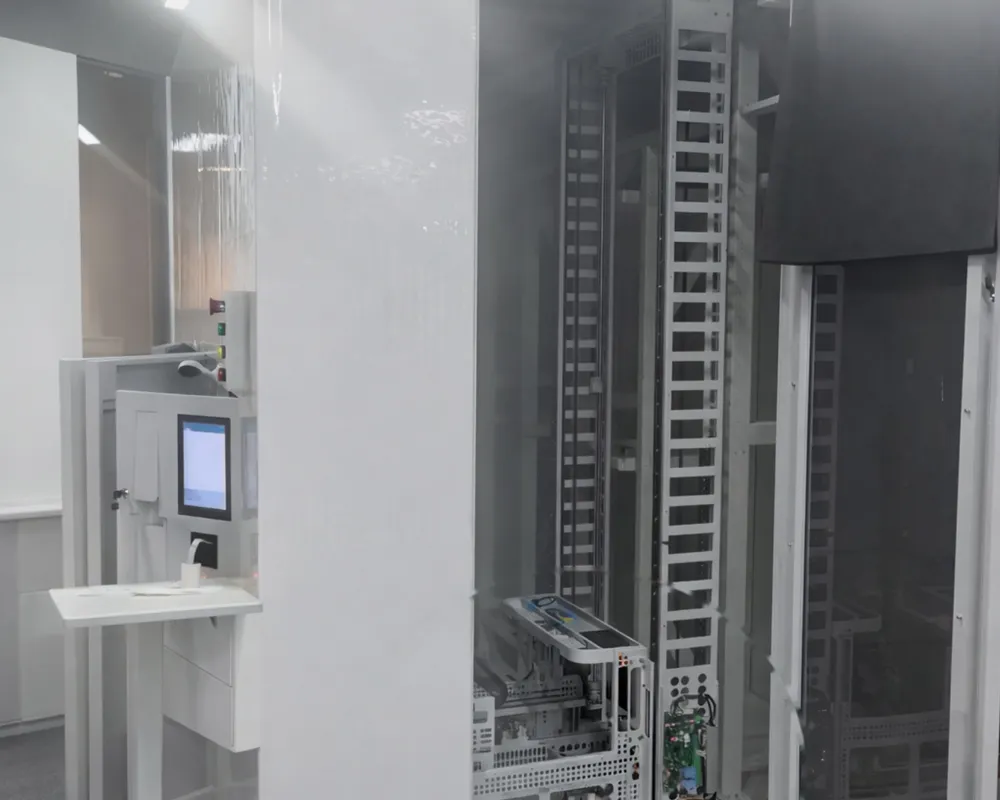
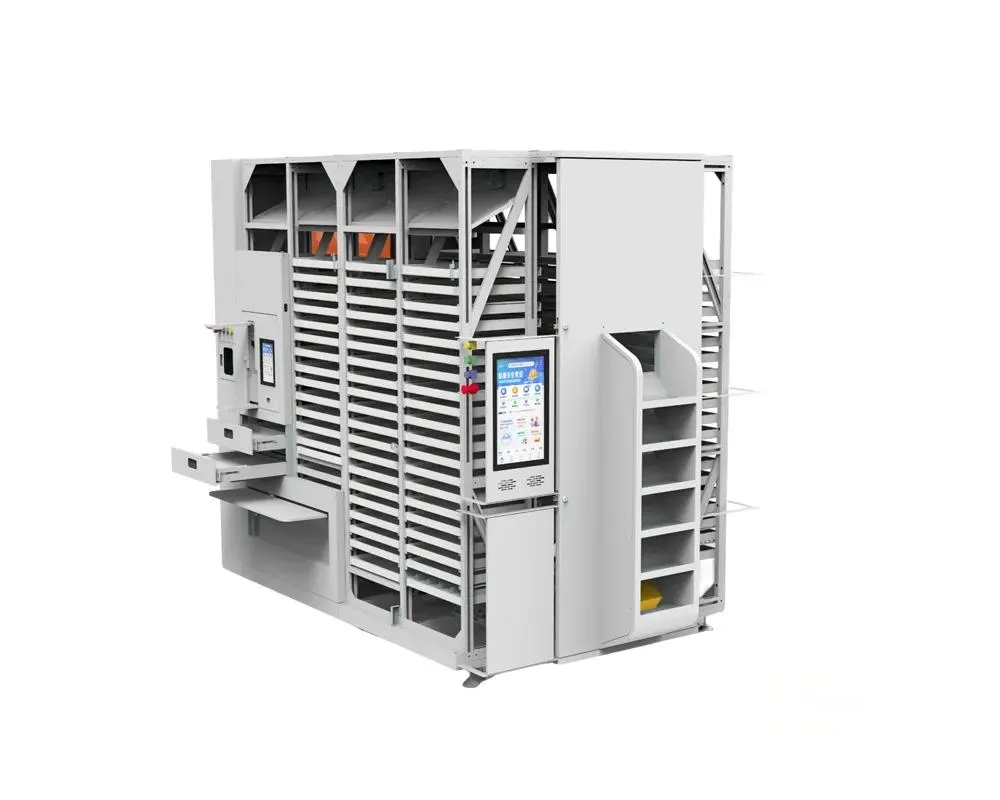
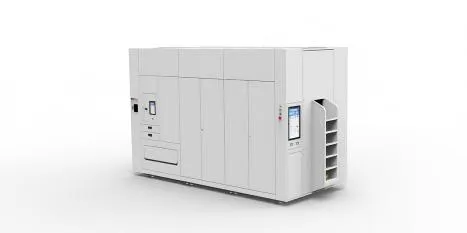
An automated medication dispensing system is a technology-driven solution designed to store, track, manage, and dispense medications with minimal manual intervention. These systems combine hardware, software, and inventory management tools to ensure that medications are accurately dispensed to authorized healthcare professionals. By replacing manual medication handling processes, these systems help reduce human error while improving operational efficiency.
Automated dispensing systems are commonly used in:
How Does an Automated Medication Dispensing System Work?
Although system configurations vary, most automated medication dispensing systems operate through the following process:
1. Medication Storage
Medications are securely stored within cabinets, drawers, or robotic dispensing units. Access is restricted to authorized personnel through passwords, ID cards, biometrics, or other authentication methods.
2. Prescription Verification
Medication orders are typically integrated with electronic medical records (EMR) or hospital information systems (HIS). Pharmacists review and verify prescriptions before medications are released.
3. Automated Dispensing
Once approved, the system identifies the correct medication and quantity. Depending on the setup, medications may be dispensed through automated cabinets, robotic systems, or centralized pharmacy automation equipment.
4. Inventory Tracking
Every transaction is recorded automatically, allowing pharmacies to monitor stock levels, expiration dates, and medication movement in real time.
5. Reporting and Analytics
Modern dispensing systems generate reports that help pharmacy managers improve inventory control, optimize workflows, and maintain regulatory compliance.
Key Components of an Automated Dispensing System
A complete automated drug dispensing system often includes several integrated technologies:
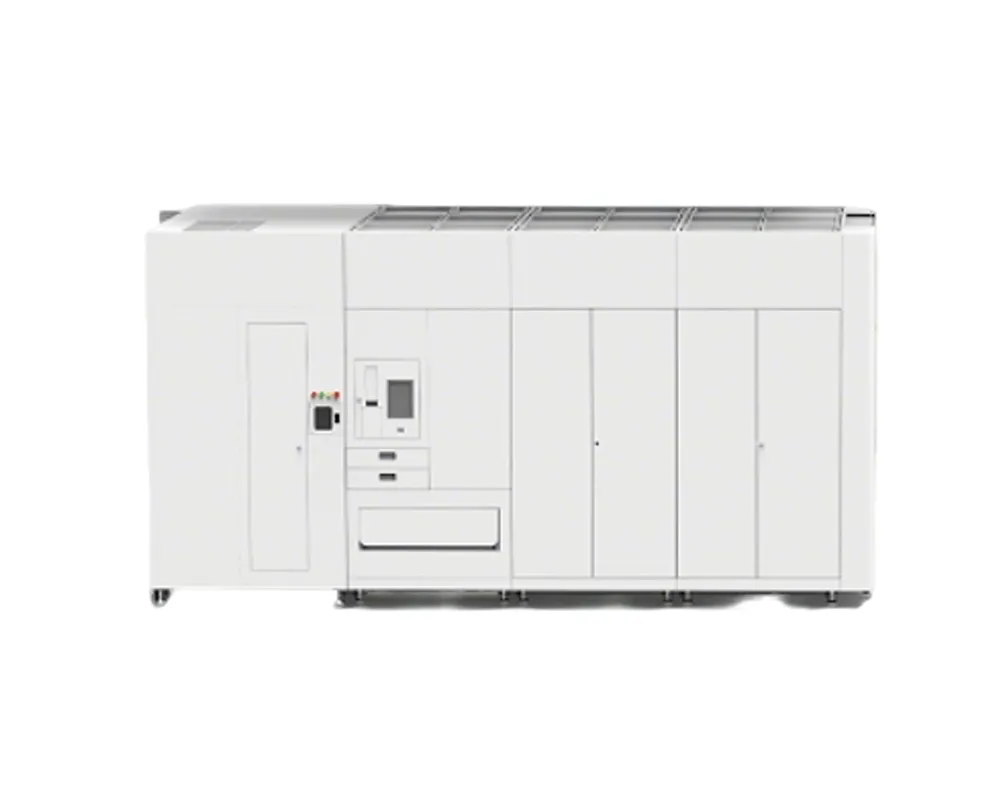
Automated Dispensing Cabinets (ADCs)
These secure cabinets are located in nursing units, emergency departments, and hospital wards, providing controlled access to medications near the point of care.
Pharmacy Management Software
Software platforms manage prescriptions, inventory levels, user permissions, and reporting functions.
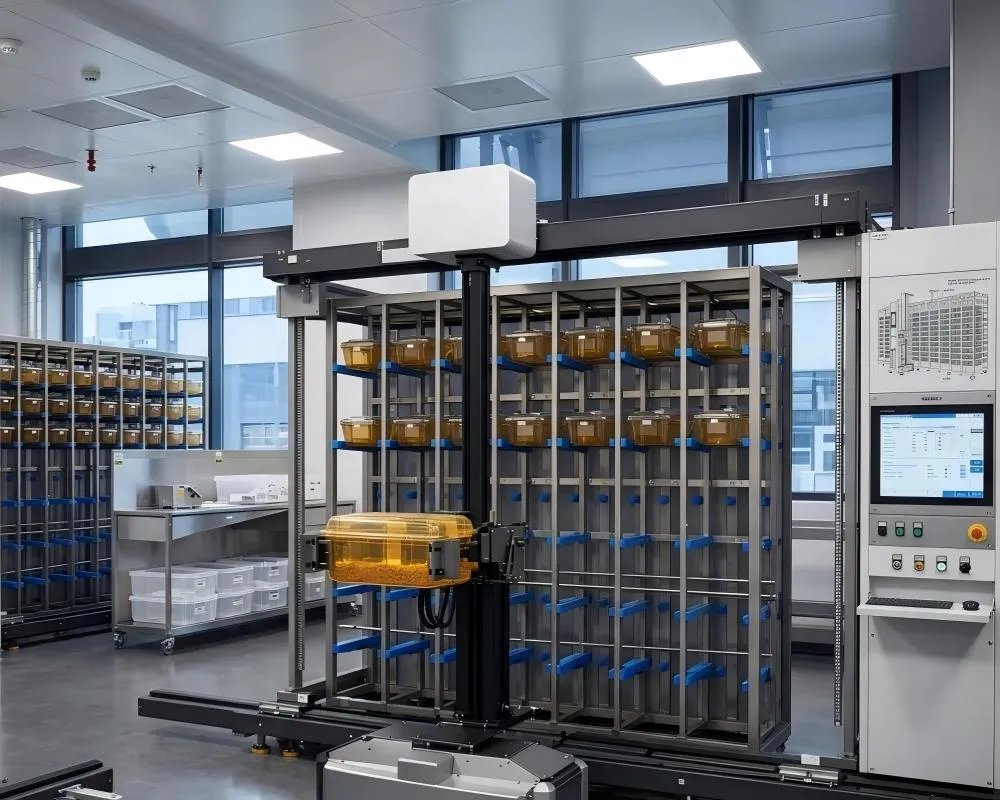
Robotic Dispensing Systems
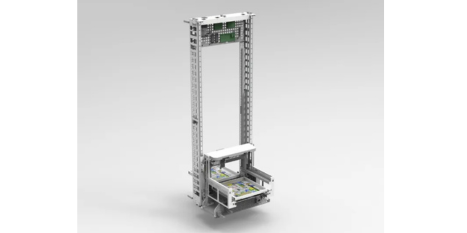
Robotic technologies automate medication picking, packaging, labeling, and dispensing processes within hospital pharmacies.
Inventory Management Modules
These tools help pharmacies maintain accurate stock levels and reduce medication waste caused by overstocking or expired products.
Benefits of Automated Medication Dispensing Systems
Improved Medication Safety
Medication errors remain a significant challenge in healthcare environments. Automated systems reduce the risks associated with manual dispensing by ensuring accurate medication selection and tracking. Barcode verification, electronic records, and controlled access all contribute to safer medication management practices.
Enhanced Operational Efficiency
Pharmacy staff spend less time on repetitive manual tasks such as inventory counting, medication retrieval, and documentation.
As a result, pharmacists can focus more on clinical services and patient care activities.
Better Inventory Control
Automated inventory monitoring helps healthcare facilities maintain optimal stock levels while minimizing shortages and excess inventory. Real-time tracking also improves visibility across the entire medication supply chain.
Regulatory Compliance
Automated systems create detailed audit trails that support compliance with healthcare regulations and accreditation standards. Every medication transaction can be traced, helping organizations improve accountability and reporting accuracy.
Reduced Labor Costs
By automating routine dispensing and inventory management tasks, healthcare facilities can improve productivity without proportionally increasing staffing requirements.
Automated Dispensing vs. Manual Dispensing
Traditional medication dispensing processes rely heavily on manual workflows. While these methods may be sufficient for smaller facilities, they often become inefficient as patient volumes increase. For large hospitals and healthcare networks, automation offers significant advantages in safety, efficiency, and operational control.
| Feature | Manual Dispensing | Automated Dispensing System |
| Medication Accuracy | Moderate | High |
| Inventory Visibility | Limited | Real-Time |
| Labor Requirements | High | Reduced |
| Audit Trail | Manual | Automated |
| Scalability | Limited | Excellent |
The Growing Role of Pharmacy Automation
Healthcare organizations worldwide are investing in pharmacy automation technologies to address staffing challenges, rising prescription volumes, and increasing patient safety requirements.
Automated medication dispensing systems are often part of a broader pharmacy automation strategy that may include:
Automated medication cabinet
Pharmacy robot
Smart inventory management system
Warehouse automation solution
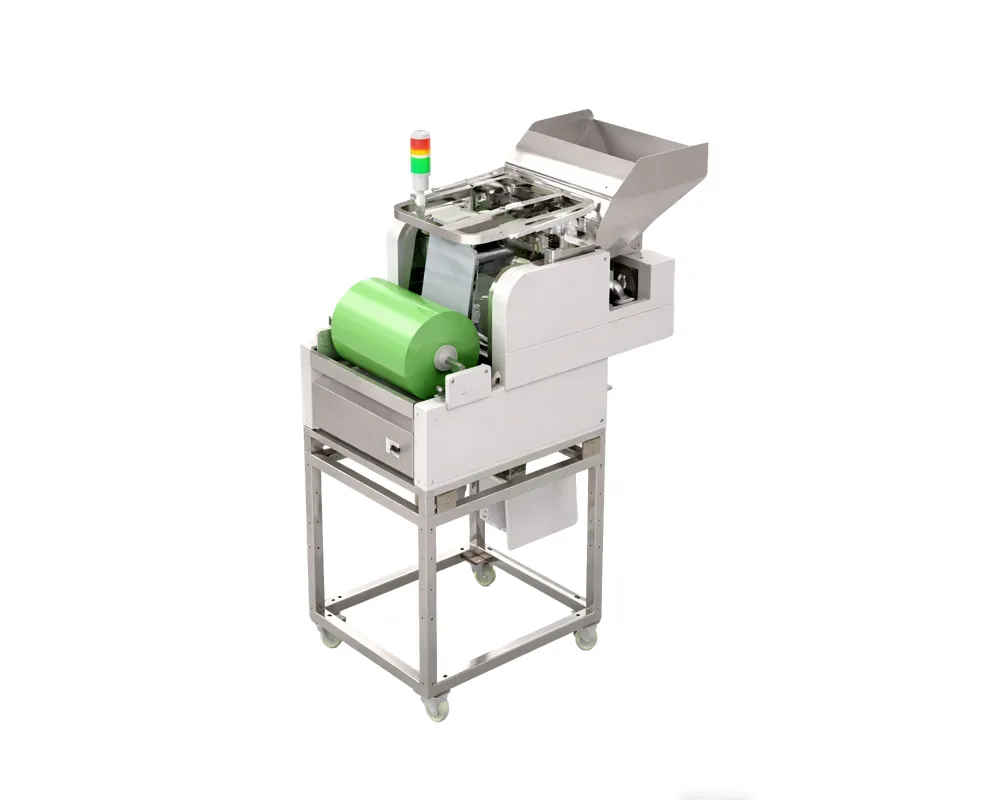
Medication packaging and sorting equipment
As technology continues to evolve, artificial intelligence, machine vision, and advanced robotics are expected to further improve medication management workflows.
How Snowisdom Supports Modern Pharmacy Automation?
For healthcare providers seeking to modernize pharmacy operations, selecting the right automation partner is critical.
Snowisdom specializes in intelligent pharmacy automation solutions, including automated dispensing systems, smart medication storage technologies, robotic dispensing equipment, and healthcare inventory management solutions.
By integrating automation, software, and intelligent workflow management, Snowisdom helps hospitals improve medication safety, optimize pharmacy efficiency, and support long-term digital transformation initiatives. Whether the goal is reducing dispensing errors, enhancing inventory visibility, or building a smarter pharmacy environment, automated medication dispensing systems have become a key investment for healthcare facilities worldwide.
An automated medication dispensing system is increasingly becoming a necessity. By improving medication accuracy, strengthening inventory control, reducing labor-intensive tasks, and supporting regulatory compliance, these systems help hospitals deliver safer and more efficient patient care. As healthcare continues to embrace digital transformation, automated dispensing technologies will play an even greater role in shaping the future of hospital pharmacy operations.
 English
 中文
中文